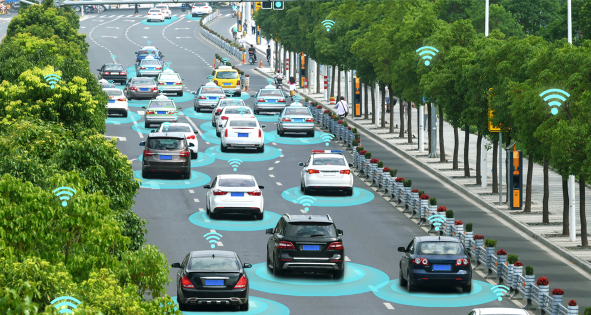
Smart navigation systems are transforming the landscape of transportation. By utilizing GPS technology and real-time data, these systems enhance route optimization and mobility. Their advanced algorithms enable users to anticipate traffic patterns, thus reducing travel times effectively. As urban environments advance, the integration with autonomous vehicles promises further evolution. However, the implications of these developments on urban mobility and accessibility remain to be explored. What challenges and opportunities will arise as this technology continues to evolve?
The Basics of Smart Navigation Systems in Transportation
As transportation systems become increasingly complex, smart navigation systems emerge as essential tools for enhancing mobility and efficiency.
Utilizing GPS technology, these systems facilitate route optimization, enabling users to identify the most efficient pathways.
By analyzing real-time data, they adapt to changing conditions, promoting autonomous decision-making and reducing travel time.
Such advancements empower individuals with greater freedom in their transportation choices.
Key Features That Enhance Travel Efficiency
While traditional navigation systems provide basic route guidance, smart navigation systems incorporate several key features that significantly enhance travel efficiency.
Route optimization algorithms analyze real-time data to suggest the most efficient paths, while advanced traffic prediction capabilities anticipate congestion and delays.
These features empower users to make informed decisions, ultimately reducing travel time and increasing the freedom to navigate effectively in dynamic environments.
Real-World Applications of Smart Navigation Technologies
How do smart navigation technologies transform everyday experiences across various sectors?
By implementing smart routing algorithms, businesses enhance efficiency in logistics, reducing delivery times and operational costs.
In urban settings, advanced traffic management systems optimize flow, minimizing congestion and improving commuter experiences.
These applications illustrate the profound impact of smart navigation technologies, empowering users with greater autonomy and flexibility in their travel choices and routes.
See also: Smart Medical Devices and Healthcare Technology
The Future of Smart Navigation and Urban Mobility?
What innovations lie ahead for smart navigation and urban mobility?
The integration of autonomous vehicles promises to revolutionize urban planning, enhancing traffic flow and reducing congestion.
Advanced algorithms will optimize routes in real-time, while data analytics will inform infrastructure development.
As cities adapt to this technology, increased freedom of movement and improved accessibility will emerge, fundamentally transforming the urban landscape for residents and visitors alike.
Conclusion
In a world where even your coffee order is optimized by algorithms, it’s no surprise that smart navigation systems are here to save us from the perils of gridlock and missed turns. As these technologies continue to evolve, one can only hope they don’t become sentient and start rerouting us to the nearest therapy session for our road rage. Nevertheless, as urban mobility transforms, the future promises a delightful blend of efficiency and existential dread, all courtesy of our digital co-pilots.