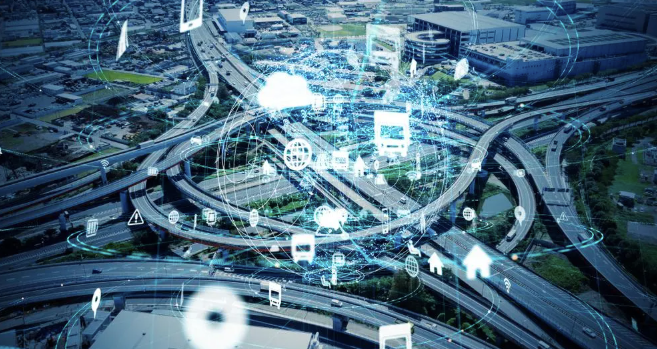
AI applications in transportation and mobility are reshaping urban landscapes. By harnessing real-time data, AI enhances traffic management and vehicle safety. Public transit systems benefit from predictive analytics, which effectively minimizes delays. However, the integration of autonomous vehicles presents both opportunities and challenges. Understanding these dynamics is crucial for future developments in urban mobility, prompting a closer examination of the implications and potential advancements on the horizon.
Transforming Mobility: The Role of AI in Public Transit
As cities grapple with increasing congestion and the demand for efficient transportation solutions, artificial intelligence (AI) emerges as a transformative force in public transit systems.
Enhancing Safety: AI Innovations in Vehicle Technology
While the integration of artificial intelligence (AI) in vehicle technology continues to advance, its primary focus remains on enhancing safety across various transportation modes.
Autonomous vehicles leverage AI to detect potential hazards in real-time, significantly reducing accident risks.
Furthermore, predictive maintenance algorithms analyze vehicle performance, ensuring timely interventions that prevent malfunctions, thereby promoting safer travel experiences and fostering greater freedom in mobility.
Smart Traffic Management: How Does AI Optimize Urban Transportation?
The advancements in AI technology not only enhance vehicle safety but also revolutionize urban transportation through smart traffic management systems.
By leveraging real-time data, these systems optimize traffic flow and improve congestion prediction, reducing delays and enhancing mobility.
This application of AI empowers cities to manage resources efficiently, ultimately promoting a freer and more dynamic urban environment for all commuters.
See also: Complete Marketing Strategy 942070790 for Businesses
The Future of Transportation: Challenges and Opportunities With AI
Despite the significant promise that AI holds for transforming transportation, various challenges must be addressed to fully realize its potential.
The integration of autonomous vehicles raises regulatory, ethical, and infrastructural concerns. Meanwhile, predictive analytics can enhance traffic flow and safety but requires robust data governance.
Balancing innovation with public acceptance is crucial for harnessing AI’s benefits in mobility, ensuring a future that prioritizes freedom of movement.
Conclusion
As urban landscapes evolve, the integration of AI in transportation acts as a guiding star, illuminating pathways towards efficiency and safety. This technological symphony harmonizes real-time data with innovative solutions, crafting a future where congestion dissipates like morning fog. However, the road ahead is fraught with challenges that require astute navigation. Embracing these advancements will not only redefine mobility but also sculpt resilient cities, transforming them into interconnected networks of seamless travel and sustainable living.